

Why Your Indianapolis Driveway Cracks: Advice from J&J Concrete Contractors
Standard builder-grade concrete simply isn't built to survive Indiana's aggressive freeze-thaw cycles. Learn how our standard 4,500 PSI mix and #53 crushed limestone base prevent cracks.

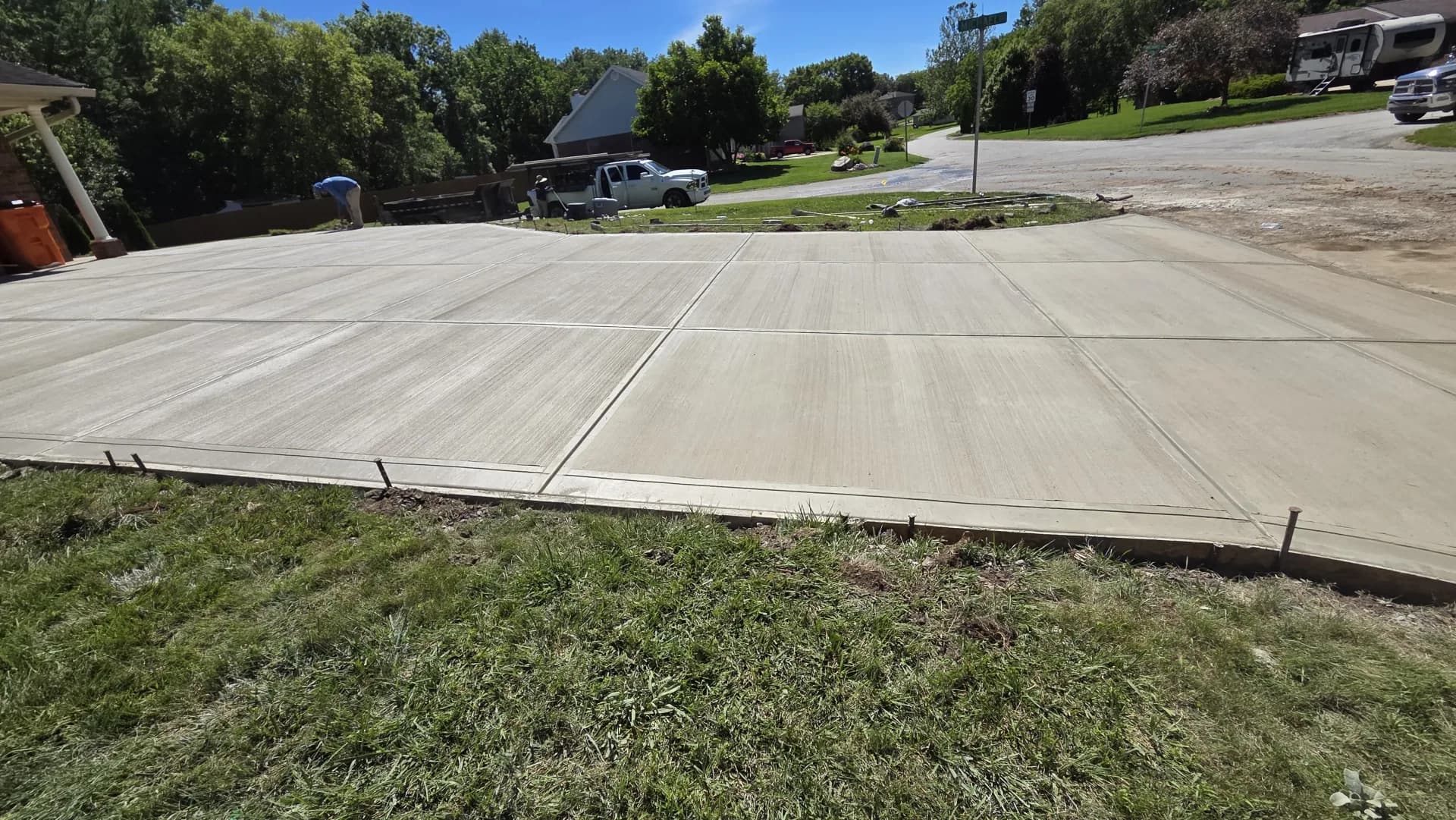
Smooth concrete driveway built for Indiana winter conditions by J&J Concrete Contractors
If you live in Indianapolis, Carmel, or anywhere in Central Indiana, you already know our winters are brutal. One year your driveway looks untouched; the next spring, spiderweb cracks and surface flaking (spalling) have taken over.
Many homeowners assume concrete just cracks over time. But is that the truth?
Standard builder-grade concrete simply isn't built to survive Indiana's aggressive freeze-thaw cycles. Many contractors use standard builder-grade concrete to pad their profit margins, relying on the fact that most homeowners don't know the difference.
This is where J&J General Solutions comes in. We’ve spent over 20 years pouring driveways across Central Indiana using 100% in-house labor—zero subcontractors. Here is the exact science behind why driveways fail in our climate, and how our standard 4,500 PSI high-strength concrete and #53 crushed limestone sub-base prevent it.
At J&J, quality isn't a choice hiding behind high price tags, it is a necessity we offer to everyone alike.
Why Do Indianapolis Driveways Crack? The Freeze-Thaw Cycle Explained
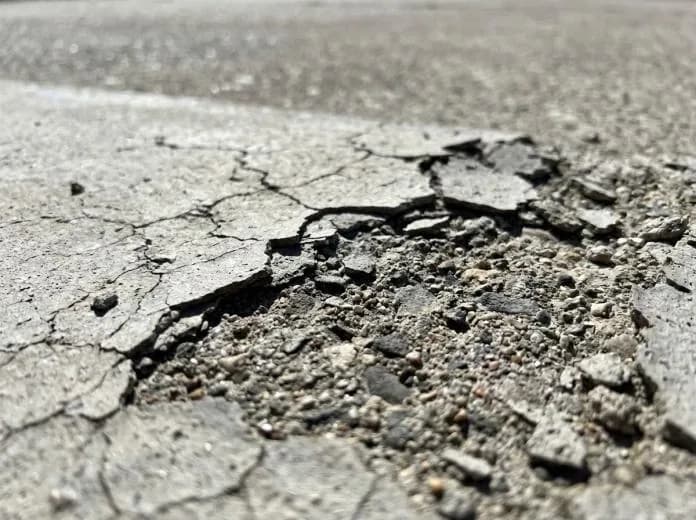
If you are searching for concrete driveway contractors in Indianapolis, you need to understand the science behind Indianapolis driveway concrete cracking. Concrete is naturally porous, acting like a rigid sponge. During a typical Indy winter, moisture from rain and melting snow seeps into the surface of your driveway.
When the temperature drops below freezing, that trapped water turns to ice and expands by about 9%. This expansion generates immense internal pressure. When the weather warms up a few days later, the ice melts, leaving microscopic voids. This continuous expanding and contracting—known as the freeze-thaw cycle—destroys weak concrete from the inside out.
If your driveway sits on poorly compacted dirt or cheap gravel, frost heave pushes the slab upward, snapping the concrete in half.
Why Standard Builder-Grade Concrete Fails
Most residential driveways built by massive housing developers use a standard 3,000 to 4,000 PSI concrete mix to save money. They also tend to cut corners on the foundation.
Here is why those corners cost you money down the line:
- Weak Foundations: Pouring over soft soil or inadequate gravel leads to sinking and structural cracks.
- Low Compression Strength: A 3,000 PSI mix simply lacks the density to resist surface spalling when exposed to winter road salts and ice.
- Lack of Air Entrainment: Without microscopic air bubbles mixed into the concrete, ice expansion has nowhere to go, causing the surface to pop and flake.
If your driveway is already showing signs of damage, you can view our full range of Residential Concrete Services to explore lasting replacement options.
The J&J Solution: Engineered for Central Indiana
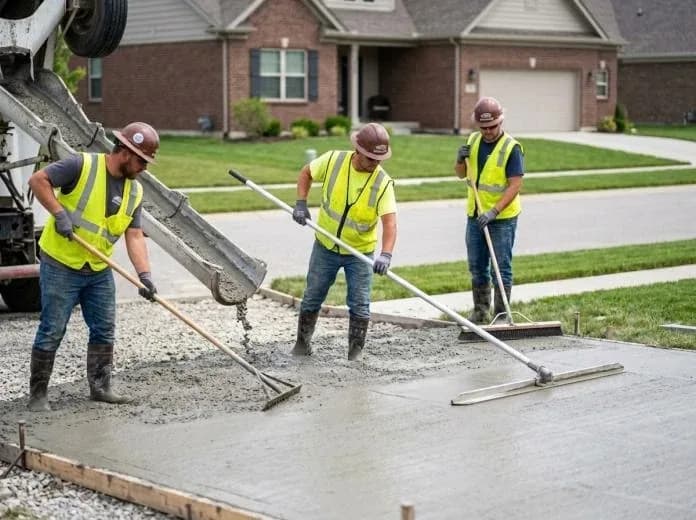
We don't do "builder-grade." Every residential driveway replacement we perform is engineered for maximum longevity.
1. The #53 Crushed Limestone Sub-Base
A driveway is only as strong as what’s underneath it. We excavate the failing dirt and install 4 to 6 inches of premium #53 crushed limestone. We then mechanically grade and compact it to create a rock-solid, drainable foundation that resists frost heave.
2. Standard 4,500 PSI High-Strength Mix
We upgrade every standard pour to 4,500 PSI concrete. This denser, heavier mix drastically reduces water absorption. We also order our concrete with 5% to 7% air entrainment, giving freezing moisture microscopic pockets to expand into without breaking the surface.
3. Structural Reinforcement
To keep the slab tightly bound together, our standard driveway installation includes Fiber Mesh Additives mixed directly into the concrete to reduce shrinkage cracking and increase tensile strength.
What to Expect: Our Driveway Replacement Timeline
Because we rely strictly on our veteran, in-house crews, we control the schedule. You don’t have to wait around for flaky subcontractors. A standard driveway replacement typically takes 1 to 2 days from start to finish.
Day 1: Demolition, Excavation & Framing
- We begin with the demolition of your existing concrete and subgrade excavation up to 5 inches.
- Next, we install a standard 4-inch base of #53 crushed stone, which can be expanded up to 6 inches based on your specific site subgrade evaluations.
- The stone base is mechanically graded and compacted to ensure a solid, stable foundation that prevents future settling and soil displacement.
- Finally, we set up the framing, installing full-depth expansion foam wherever the new concrete abuts existing structures (like garage floors, foundations, or curbs) and tying in dowel pins to existing concrete where structural transfer is required.
Day 2: Pouring, Finishing, Sealing & Cleanup
- We pour our high-performance 4,500 PSI concrete mix, which includes 5% to 7% air entrainment additives and Fiber Mesh Additives mixed directly into the concrete to prevent micro-cracking and increase tensile strength. (For heavy-duty applications, a steel rebar grid can also be installed as a structural add-on).
- Once poured and broom-finished, we precision saw-cut control joints post-cure to control stress relief.
- We then apply a Premium Sealer Package to protect the surface and extend the slab's lifespan.
- The day ends with a complete site cleanup and debris haul-away. (Note: If sudden rain begins post-pour, we immediately deploy thermal curing blankets to protect the setting slab. If unexpected rain causes surface discoloration, we return for a final pressure wash once the concrete is cured).
Your new driveway is safe for foot traffic after 48 to 72 hours, and ready for standard passenger vehicles in 14 days.
Frequently Asked Questions
How much does a new concrete driveway cost in Indianapolis?
What is the best concrete PSI for driveways in Indiana?
At what temperature does J&J stop pouring concrete?
Can I just patch the cracks in my driveway?
Stop Guessing. Calculate Your Exact Driveway Cost Instantly.
Finding a reliable concrete contractor shouldn't require waiting days for a callback just to get a ballpark price. At J&J General Solutions, we believe in complete pricing transparency. You don't need to schedule an in-home sales pitch to find out what your driveway replacement will cost. Use our Interactive Free Instant Quote Builder right now. Simply input your exact square footage, select your finish, and the calculator will instantly generate your transparent, accurate estimate—including our standard 4,500 PSI upgrade and #53 limestone base.
Build Your Free Instant Quote NowRelated Articles & Guides
How Much Does a Concrete Driveway Cost in Indianapolis? A Transparent Pricing Guide
Wondering about concrete driveway costs in Indianapolis? Learn about pricing factors, our $3,795 project minimum, and why a 4,500 PSI mix saves you money.

Concrete Driveway Repair or Replacement: When Should You Replace Your Driveway in Indianapolis?
Wondering if you should repair or replace your Greenwood or Westfield driveway? Learn how to test for structural failure, avoid useless patches, and get transparent pricing.
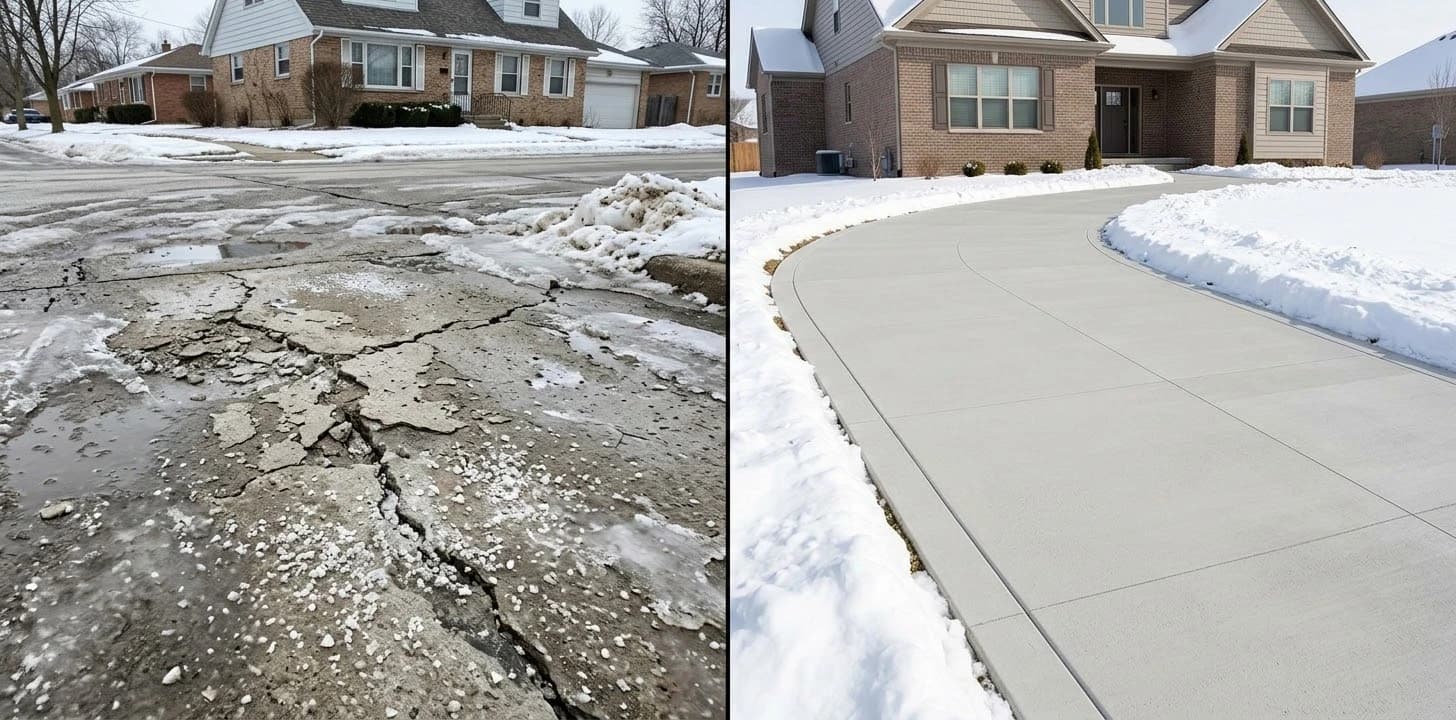
Winterizing Your Concrete: Why Road Salt is Destroying Your Fishers Driveway
Protect your driveway this winter! Learn why road salt destroys concrete, how J&J General Solutions engineers slabs for freeze-thaw cycles, and what to use instead.